Community land trusts as models for BTMFBA: Valley Floor Preservation Partners, Telluride Colorado
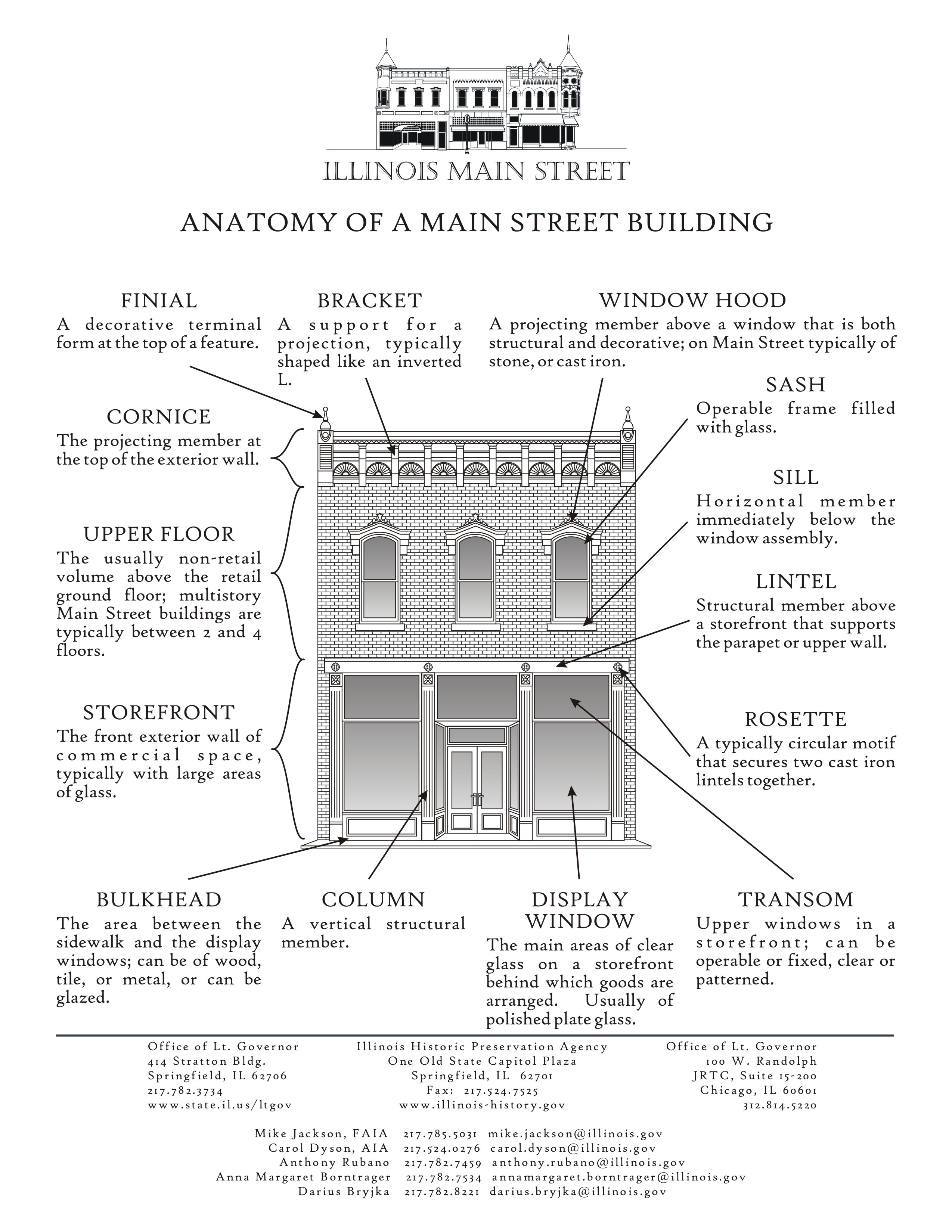
BTMFBA is "pathbreaking" only in that community-initiated retail ownership programs are rare, almost nonexistent in the US. Arts-focused community development corporations aren't completely rare, but the kind of city or county wide program of space preservation that I propose through BTMFBA seems to be unheard of.
-- "BTMFBA: the best way to ward off artist or retail displacement is to buy the building," 2016
-- "The SEMAEST Vital Quartier program remains the best model for helping independent retail," 2018
-- "A wrinkle on BTMFBA: let the city/county own the cultural facility, while you operate it (San Francisco and the Fillmore Heritage Center)," 2021
-- "Saving urban corner stores needs public assistance: Mott's Market on Capitol Hill, Washington, DC," 2022
But land trusts, focused originally on open space and farmland preservation, and more recently, on maintaining urban affordability, have been around for decades.
-- Origins and Evolution of the Community Land Trust in the United States
-- Smart Growth and Open Space Conservation, EPA
-- Farmland Preservation and Farm Transition, USDA
PBS stations are running a documentary "Forever Wild," about how citizens of Telluride, Colorado organized to preserve their "Valley Floor," formerly mining property, which had been purchased by a billionaire who intended to develop it ("PBS picks up ‘Forever Wild’ Valley Floor documentary airing in April," Telluride Daily Planet).
We watched it the other night, on the Utah state education television channel (separate from PBS).
-- Forever Wild videoInstead of agreeing to a partial preservation program, citizens agreed through a referendum to go forward, condemn the property, and purchase it for permanent preservation. This was controversial in part because the land is outside of the city proper, located in San Miguel County, and lobbyists for the property owner successfully got legislation passed to make the condemnation illegal, retroactively.
-- Valley Floor Preservation Partners

Their fight, and the documentary definitely illustrate the lengths that people have to go to in order to initiate and succeed in community-related property purchases.
The city had in the 1990s passed a law putting funds towards land preservation. So they set the stage to go forward.

(I don't know how it happened, but Ann Arbor has a similar program, which to reduce the possibility of sprawl, buys land in the townships around the city, in order to preserve open space.
-- Land Preservation Programs, Washtenaw County
-- Greenbelt Program, Ann Arbor
Note that there is a documentary on the Dudley Street Neighborhood Initiative in Roxbury, Boston, based on the book Streets of Hope, which was published in the early 1990s.
-- "Holding Ground: The Rebirth of Dudley Street," New Day Films
It's inspiring, although I hesitated to show it in DC, because it championed eminent domain authority for community development corporations, and DC's CDCs hadn't proven they were trustworthy enough to have that kind of power ("The community development approach and the revitalization of DC's H Street corridor: congruent or oppositional approaches?," 2013, ""Falling up -- Accountability and DC Community Development Corporations," 2005).
Surprisingly though, in 30+ years, DSNI has amassed only about 200 units of housing, which doesn't seem like all that much.
Labels: BTMFBA, community development, cooperative-community retail, land trust, parks and open space
posted by Richard Layman @ 10:30 PM&Permanent Link
Follow this blog
3 comments