Today's commercial building facade updates versus the 1950s/1960s


Store for lease on Kalamazoo Pedestrian Mall in the 1980s, after the JC Penney closed and before.

This building, c. 2005, Mo Pitkins House of Satisfaction bar, storefront, carrara glass,
34 Avenue A, Manhattan, New York City.
The business closed and the building sold ("Old Mo Pitkin’s Digs Sold for $4 Million," Observer).
The carerra glass redoing of facades actually started in the 1930s as part of the Art Deco period, and often are attractive. Sometimes they're kept even as part of historic preservation, to demonstrate the "layering of historic styles."
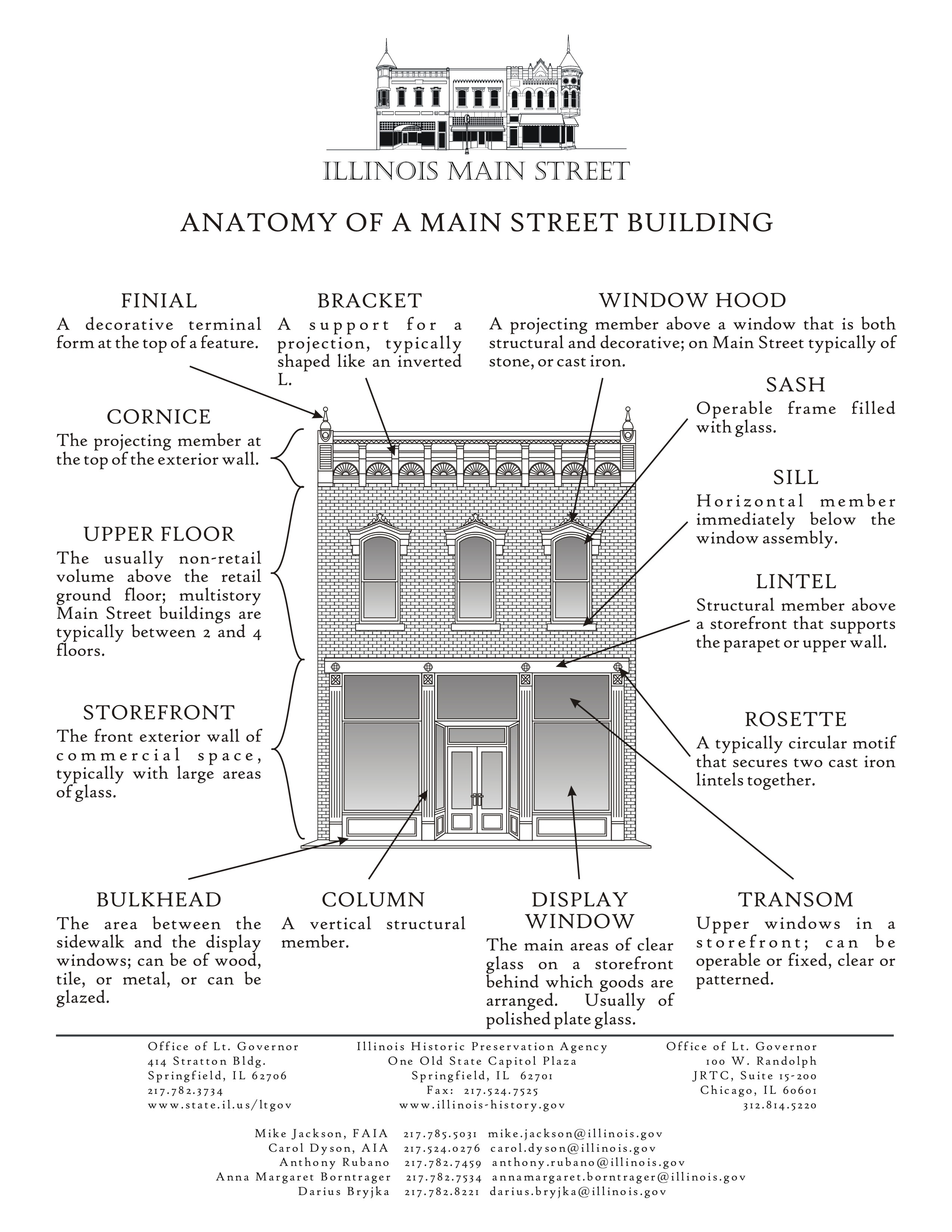
Illinois Historic Preservation Agency
Mid-Twentieth Century Preservation webpage, IHPA
Sometimes carrara glass was used only for the business sign, not the entire storefront facade.
.webp)
Market Avenue Woolworth, McCrory and Kresge Stores, Canton, Ohio. 1950s postcard
Labels: building design/architecture, commercial district revitalization planning, historic preservation, urban design/placemaking
posted by Richard Layman @ 4:00 AM&Permanent Link







0 Comments:
Post a Comment
<< Home