Rebuilding Place in the Urban Space

"A community’s physical form, rather than its land uses, is its most intrinsic and enduring characteristic." [Katz, EPA] This blog focuses on place and placemaking and all that makes it work--historic preservation, urban design, transportation, asset-based community development, arts & cultural development, commercial district revitalization, tourism & destination development, and quality of life advocacy--along with doses of civic engagement and good governance watchdogging.

Tuesday, February 16, 2016

"Great Cities Do Big Things"

is the title of Austin Mayor Steve  Adler's second "State of the City" speech, which he'll be giving tomorrow.

Related to my point that "World-class cities don't just take, they give" in terms of how they model innovation and vision and in turn inspire other communities to strive for improvement and adopt better and best practice, the Austin American-Statesman reports on tomorrow's "State of the City" speech by Austin Mayor Steve Adler. The speech is titled "Great Cities Do Big Things."

In the spirit of accountability and evaluation, the paper reports ("What happened to the Austin savings bond, other Mayor Adler ideas?") on the status of the ideas and proposals from last year's speech. From the article:
In his first State of the City speech last year, Mayor Steve Adlerfloated various new ideas aimed at relieving the stresses that have accompanied Austin’s economic prosperity and rapid growth, including traffic congestion and the rising cost of living, most acutely felt by low-income and working-class residents.

We spoke with Adler — who said last week that he’s trying to cut down a roughly 40-page draft of his second State of the City speech, scheduled for Tuesday, titled “Great Cities Do Big Things” — to gauge the progress of some of last year’s big ideas. ...
Mayor Steve Adler’s State of the City speech starts at 7 p.m. central time, Tuesday at the Zach Theatre, 202 S. Lamar Blvd. Seats can be reserved online or in person at the mayor’s office at 301 W. Second St.

To watch a live stream of the speech, go to statesman.com or austintexas.gov/atx
The main ideas from 2015:

- a unified agenda for transit
- dedicated transit lanes on highways
- a fund in reserve to tap to maintain property (housing and civic-public sphere related) affordability
- creating an "Austin savings bond" program to support local investments controlled locally
- financing energy efficiency upgrades
- rewarding good landlords

====
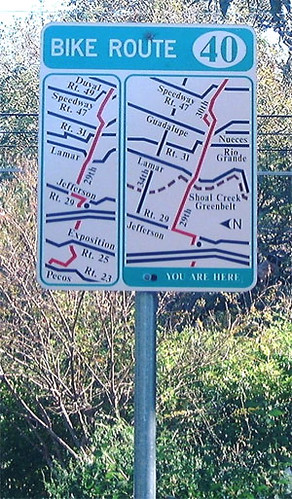
Bicycle Route 40 sign, Austin TexasAt one time, I don't know if they still do it, Austin produced bike map signage for en-route use on their bicycle routes.  I came across a photo of this sign on the Internet a number of years ago.

Besides being the state capital and home to the University of Texas and a great deal of IT business, Austin has many programs and initiatives relevant to great cities and best practice urban revitalization.  Some that come to mind are:

- a focus on locally owned retail including commissioning studies (Economic Impact Analysis: A Case Study--Local Merchants vs. Chain Retailers) and requiring local retailer recruitment and nurturing as part of new development such as in the Second Street District
- placemaking and community economic development initiatives such as the Liveable City organization
- the "Keep Austin Weird" campaign,
- the Austin Independent Business District, AustinIBIZ, program
- a plan and program to support "local music" as music is one of the defining elements of the city's culture and has grown into a key aspect of the city's identity and economic development program (Austin Music People trade group)
- including the ever-growing South by Southwest event
- but I argue some of these efforts have grown out of the "Austin City Limits" television broadcast for decades on PBS, showing how such programs, when they work, can be incredibly beneficial anchors for cultural and economic development
- the city was an early pioneer in collecting and communicating substantive metrics on how agencies are functioning in terms of preferred outcomes
- including maintaining high quality data on crashes and accidents involving pedestrians and bicyclists
- and in developing "campuses" linking various city agencies synergistically to serve lower income communities (see the 2006 blog entry, "Public assets: public school buildings used for more than school")
- and a county-wide taxing district for health services (although this is probably a program that is state-developed and operates in other regions of Texas too)
- the bike route map signage shown above

Labels: , , ,

Monday, November 25, 2013

Television shows on urbanism: Innovation Cities on CNBC

Philips, a large systems integration firm with what we would call a "smart city" agenda, is sponsoring a short vignette series on CNBC TV called "Innovation Cities." Each two and a half minute episode will focus on a facet of city life, exploring an innovation which is providing dynamic change and contributing to business development in health, the home and schools. The series will air once a week (each Thursday) for nine weeks and full episodes will also be available across all CNBC’s digital and mobile platforms.

The first episode explores how technology can be used to allow people more control over their own healthcare through a virtual patient monitoring system known as TEKI, which utilises existing technology in the Xbox Kinect to enable patients to manage existing conditions at home.


2. Plus earlier in the year, KCET, a PBS station in Los Angeles, did a series of programs under the title, City Walk. I wasn't totally enamored of the snippets I watched, but I haven't watched the entire series, which is available online.

Labels: , ,

Wednesday, June 22, 2011

It's time for a new "city beautiful" movement in DC

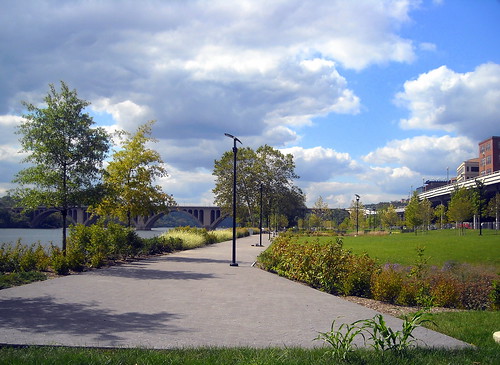
Georgetown Waterfront Park
Flickr photo by NCinDC of the Georgetown Waterfront Park, which in its most recent previous incarnation was parking lots.
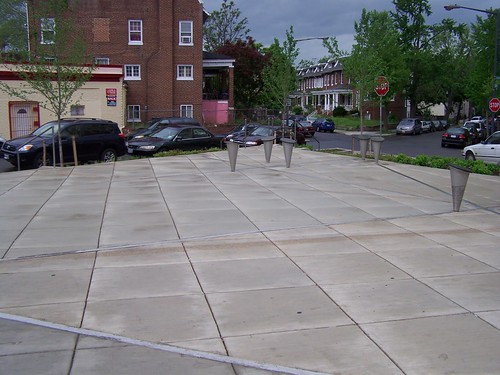
Pocke "park" on 14th  Street NW in Columbia Heights
Pocket "park" on 14th Street NW in Columbia Heights

Despite the fact that livability issues (dog parks, community gardens, bike paths) were made out to be a whitey plot in the last election, there are many livability ideas and projects percolating in various places in the city, ranging from city initiatives like the "Yards Park" on the Southeast waterfront, the Georgetown Waterfront Park, or a number of really lousy terribly done pocket park initiatives such as the re-doing of the pocket park on 14th Street NW at Oak Street in Columbia Heights to a variety of ground up citizen-generated ideas.

In the late 1990s, when DC's Department of Transportation initiated the first streetscape redesign programs for Georgetown and Barracks Row (8th Street SE) and for Thomas Circle, to take back travel lanes that had been cut through the circle and to restore the park, and in the early 2000s, with initial planning for streetcars, and the creation of a public realm framework in Columbia Heights and for the Anacostia Waterfront, DC was on the cutting edge of placemaking planning for large cities.

Even though DC has a Public Realm Design Manual (another place where an earlier kind of version was produced as an appendix to the Brookland Streetscape and Transportation Plan, on pages 140-153), it's not clear that the process for considering streetscape improvement initiatives is very bold.

Now it's more of a tool kit process about curbs, bulbouts, and streetlights, but not so much about improving places in paradigm busting ways. And it's complicated by the fact that while the placemaking movement has continued to advance, DC's streetscape and placemaking planning initiatives have not moved forward at the same pace. For example, it's taking DC 10 years to get its first streetcar line, while it took Seattle 5 years.

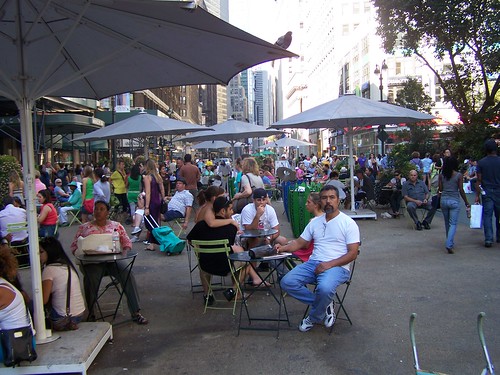
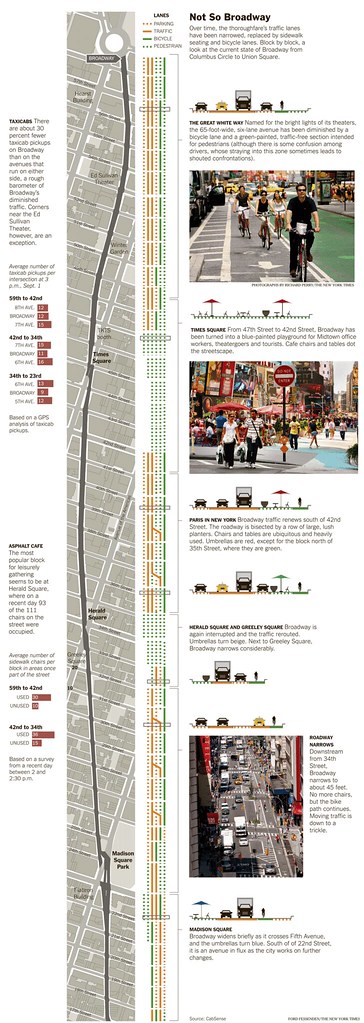
In NYC, the way that spaces formerly given over to the car are being remade over for pedestrians and bicyclists is a national story. See "City Has Transformed Broadway" from the New York Times.
Giving street space back to pedestrians on Broadway Avenue in Manhattan, New York City

Changes to Broadway
New York Times graphic on Broadway's changes.

Similarly, San Francisco has a wide-ranging livable streets program, which has brought into one program a variety of efforts which in other cities (except maybe for New York City) are typically spread across different agencies or different departments within a single agency but the programs aren't coordinated.

The SF program starts off with a BHAG--a big, hairy audacious goal--making San Francisco not only the best city for walking in the US, but in the world--and incorporates pedestrian programs, streetscape improvements, traffic calming, bicycle planning, and safe routes to school planning into one overarching program.

-- San Francisco Sustainable Mobility and Climate Action Strategy

In DC, while these programs exist, they are not internally integrated and while the Department of Transportation has a new livability planning initiative, thus far we see missed opportunities for coordinated improvements--although the livability planning paradigm offers us a lot of hope. From the DDOT Rock Creek West II Livability Study Final Report:

Livability is a term that refers to community quality of life as experienced by the people who live, work, and recreate there. Livability recognizes that strong communities rely on the interplay among transportation, public health, housing, cultural resources, and the natural environment.

Transportation, in particular, is central to livability. Travel choices govern our ability to get around; the operations of our transportation facilities impact safety and comfort; and the designs of our public spaces directly affect the prosperity and enjoyment of the city.

DDOT’s Livability program includes transportation studies for various neighborhoods of the District. The studies take a “big picture” look at the street network and identify concrete actions that adhere to the principles outlined in the DDOT Action Agenda. The goals of this study are to:

• Ensure safe passages for all users of the street network. This involves special attention to the most vulnerable users of the system (pedestrians, bicyclists, children, and the elderly); and taming traffic while maintaining overall mobility.

• Prioritize sustainable living in DC communities. This means providing a robust set of transportation choices and designing streets to encourage physical activity. It also means designing streets in ways that help preserve, protect, and/or restore ecological systems.

• Foster prosperous places by building and operating streets as unique urban places that support retail and employment districts. Enhancing prosperous places also may entail the expansion of civic open spaces within or along streets.

. But as far as improvements are concerned, thinking outside of the box is nowhere to be seen.

Somehow these ideas need to be truly embraced as the primary planning paradigm for the city, and integrate this approach systematically into the planning processes for the Office of Planning, the Department of Small and Local Business Development, and the Department of Parks and Recreation, and schools planning (public and charter schools), not just for the Department of Transportation.

These efforts are made more difficult by not having a master transportation plan or a Parks Master Plan.

And the issue is made more complicated by the fact that the city is not fully in control of the street and parks resources in the city--some of which are controlled by the federal government, and in particular, the National Park Service.

A couple weeks ago M.V. Jantzen wrote a series of posts in Greater Greater Washington about rethinking Dupont Circle which I think ought to be seen as a call to arms for re-thinking the city's park and placemaking agenda--for having one...
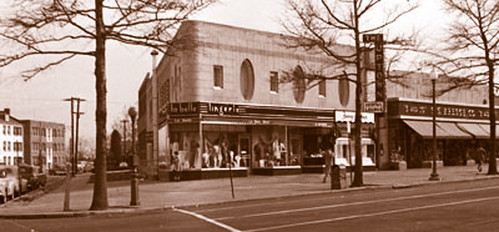
sidewalk.1940s
Image: Wymer Collection, Historical Society of Washington, D.C. This photograph from the 1940s show the original sidewalk, about 20 years before it was destroyed. Above: The corner of Connecticut and Ordway, currently home to Dino Restaurant, Suntrust Bank, and Brookville Market.

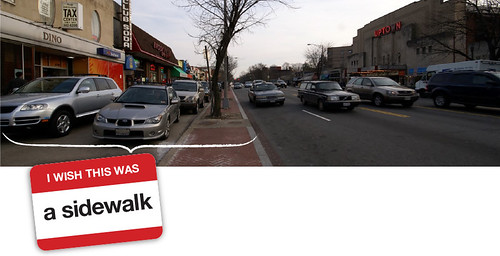
Similarly, in Cleveland Park, Herb Caudill and others are calling for re-widening the sidewalk "plaza" on the 3300 block of Connecticut Avenue, by removing the service drive and parking lane, and restoring the wide plaza.

They have a petition campaign running on their website, I wish this was a sidewalk and just had a long post in Greater Greater Washington, "Restore the sidewalk in Cleveland Park," explaining the various options that they see for restoring the wide sidewalk there on the in Cleveland Park.
I wish this was a sidewalk campaign, Cleveland Park


There are other posts out there about restoring Truxton Circle ("Before and after: Truxton Circle)" and and creating "Scott Square," or pedestrianizing streets (for certain reasons I tend to not favor this, but that's an argument for another day).

I wrote about these issues on New Years Day, in a couple entries:

-- New Years post #3: How about more community self-help (Peter Riehle and Eastern Market Metro Plaza)

-- New years post #5: DC City Council Committees and striving to be a world class city (frankly, this post is so good, I'll reprint it tomorrow...)

and here, "What a "Complete Places" land use and transportation planning philosophy would mean in practice" and "Complete Places are more than Complete Streets."

Making every block of the city great, in terms of how DDOT terms the livability agenda as creating and maintaining safe, sustainable and prosperous places, is probably the best unifying agenda the city could create.

Labels: , , , , ,

Sunday, January 02, 2011

New years post #5: DC City Council Committees and striving to be a world class city

One of the problems of being a career person, an advocate, and a blogger all focused on the same general topics of urban revitalization, commercial district revitalization, and sustainable transportation planning is that you frequently switch from role to role and because of the blog, the people that you are dealing with often have a difficult time distinguishing between "critical analysis" versus what they perceive as "personal criticism."

It definitely makes it hard to get work, especially if you pride yourself on being critical. Don't believe what they say on shows like "West Wing" about "telling truth to power." The people in power don't like to hear much in the way of alternative narrative, interpretation, and analysis.
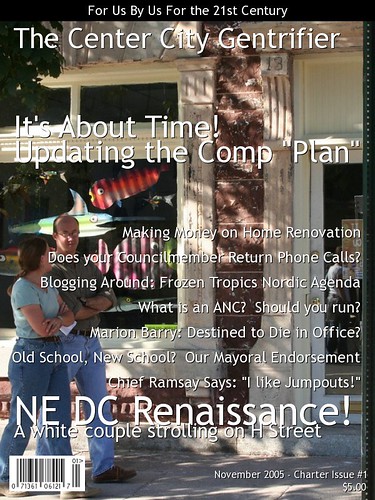
Center City Gentrifier, a fake magazine cover
Can you figure out why this magazine cover parody probably wasn't a good idea in terms of my testifying before City Council?

In the beginning when I would blog I would focus maybe a bit too much on the person doing the stupid thing, rather than the stupid thing, and providing the analysis about why such was "not a good idea." By changing my focus to "the stupid thing," even if the target couldn't make sense of the difference, it was easier for me to maintain critical and objective distance, and I was able to switch from role to role as circumstances required.

The other thing that led to this change was a recognition that while I could excoriate someone in the blog, I would still have to deal with them, testify before them at a Council hearing, etc., and that I needed to better package my postings. Plus, while I write somewhat hardcore, in person I am not comfortable with in your face tactics (although if someone is so hypocritical or wrong-headed, I often helpfully call attention to their hypocrisy or wrong direction in a pointed fashion...).

In short, while I wanted to do things like write why I wanted to not endorse specific candidates ("For Ward 5 Council: Kenyan McDuffie" from Greater Greater Washington) or beliefs about specific Council chairs ("Will Thomas push for local business and good urban design" from Greater Greater Washington), it just isn't safe doing it, if I want to still be able to deal with those people as Councilmembers, or if I thought that even if a candidate for office was better, s/he was still going to get crushed, and Councilmembers have long memories.

So what I am going to offer instead is a different way of thinking about DC Council and the Council Committees.
Sustainable Communities Slide from presentation, Leadership and the Role of Parks and Recreation in the New Economy, David Barth
Sustainable Communities Slide from presentation, Leadership and the Role of Parks and Recreation in the New Economy, David Barth. DC -- residents, elected officials, and other stakeholders -- need a stronger, more global perspective and approach to the issues that we address as residents and citizens of our neighborhoods and of the city as a whole. We should strive to consider both micro- and macro-level perspectives and a broader framework of sustainability.

DC is a world city, because it is the national capital of the United States, which is still the most powerful (albeit declining) country in the world.

While we call ourselves a world class city because of this, too often we do things that aren't world class--I joke that because DC is a world city, whatever we do, we call it "world class," even if it is downright mediocre.

Plus, DC wants to be a state, so again, if we want to be a state, let's operate at a best in class level, rather than at the average. After all, since the work around "reinventing government," it's been said that the most innovative work in government has been happening at the state and local level. See "The Take: A new era of innovation for the states?" from the Washington Post.

That's not been the case so much with DC, with the exception maybe of some work in transportation (streetscape improvements, the initial planning for streetcars, bike sharing--which was in the bus shelter contract signed in 2005), which has been trumped by other cities such as Seattle, San Francisco, and New York, which have ended up moving much more quickly for the most part, when they have taken on similar initiatives.

Plus, Charles Landry, a noted commentator-consultant-author with regard to cities, revitalization, innovation, and the creative economy, makes a point about world cities--that they don't just take, they set an example, do great things, which in turn inspires other cities.

A good example of this would be Paris and the bicycle sharing system there. Paris was not the first city to do modern bike sharing. They were maybe the 10th or 15th city in Europe to take it on. But where Paris set a new bar was with scale--20,000 bikes, 1,000 stations, with stations every 200 meters. Paris took bike sharing to new heights, and brought so much attention to it, that now bike sharing is being introduced to cities all over the world such as London in the UK, Melbourne in Australia, Montreal and Toronto in Canada, Denver, Minneapolis, DC, Boston, Baltimore, San Francisco, New York in the U.S., in Mexico City, in Brazil, etc.

(Note that Paris launched Velib in 2007, but that in 2005, DC signed a bus shelter contract with Adshel which included provisions for bike sharing. Five years after the contract was signed, three years after Paris introduced such a system, now DC has a bike sharing system 1/20 the size of Paris.)

How could DC City Council Committees reposition somewhat what they do, so that they aren't just production engines of minutiae (legislation like how to safely trap rats and other vermin), but shapers of the agenda for making DC over into a truly world class city?

Note though that DC Council committees are very lightly staffed, and don't have the kind of heft necessary to be able to do thorough research and reports. That's something that needs to be addressed too.

Here are some breakthrough agenda items for DC Council committees:

Jim Graham (Ward 1) - Human Services

- in yesterday's Post, columnist Colbert King wrote, "D.C.'s broken families should be Mayor Gray's priority," that the most important issue for Mayor Gray is to break the cycle of poverty in the city. I agree.

- figure out how to, in significant, best practice fashion, reduce juvenile crime, recidivism, and improve rehabilitation

- figure out how to break the cycle of poverty in DC, so that those who are most impoverished, are able to truly participate and succeed in society

- such actions also have an economic payback in terms of reduced cash outlays, which can then be put in other areas. During the election campaign, the otherwise wackjob mayoral candidate Leo Alexander made the point that for every 10% reduction in people on welfare, that is a reduction in cost of $150 million.

Resources:

-- "Straight Outta Boston" Mother Jones Magazine, about how to significantly reduce youth violence

Jack Evans (Ward 2) - Finance and Revenue

- come up with a system that explains simply the sources of tax and other revenues for the city (income, property, sales, etc.) and the costs of servicing commercial and residential property. The progressives wildly advocating for attracting families to the city seem to forget that it is very expensive to "service" families, as each child costs $15,000/year or more to educate, and many households pay less than this in taxes

- an issue that I focused on for many years is how the national-international market of commercial real estate in the Central Business District has led to an overvaluing of commercial property throughout the city, in a way that is particularly damaging for commercial retail buildings, especially in local commercial districts. Even in marginal commercial districts, asking pricing for retail rents are at least $35/square foot, which is much higher than the revenue generating capacities of most of the buildings. The commercial property tax assessment method needs to be changed to differentiate between "Downtown"-type commercial property and small buildings in local commercial districts. I testified about this for many years, but it never seemed as if the Councilmembers could grasp the argument.

- come up with a master system for requesting tax incentives, involving this committee and the Chief Financial Officer, so that there is one, open, and transparent system for requesting, reviewing, and monitoring tax breaks.

- open up the tourism tax revenue stream (hotel taxes, meals taxes, parking taxes, car rental taxes) to supporting cultural initiatives more broadly. Mostly this money now pays for the Convention Center.

Resources:

-- Orange County Florida (Orlando and vicinity) Tourist-Development Tax
-- "Make Eminent Domain Fair for All," Boston Globe (the process they outline should also be applied to tax incentive and abatement decisions

Mary Cheh (Ward 3) - Government Operations and the Environment

- pass an open meetings act that isn't bullshit (see "D.C. Council wrongly exempts itself from open-meetings reform law" from the Washington Post)

- require that posted DC government metrics and "performance" data (Track DC) be significant and usable, rather than mostly fluff

- come up with a significant training and capacity building regime for ANCs and civic organizations and interested residents

- remove the City Council exemption from DC contracting and procurement laws (DC Council can pass legislation that is in effect, a contract, without having first released a request for proposals, and without an open and transparent process for selection)

- create an open and transparent process for eminent domain decisions, nonprofit organization funding, and tax incentive and abatement decisions

- pass a law requiring that the DC.GOV website not suck, that when it gets "upgraded," tens of thousands of links and documents are no longer accessible to the public

- with regard to the environment, how about urban agriculture, and urban orchards on unused reservations

- and engaging citizens and the city in a substantive fashion into the sustainability movement

Resources

- "Make Eminent Domain Fair for All," Boston Globe (the process they outline should also be applied to tax incentive and abatement decisions
-- Urban Information Center, Dallas Public Library

Muriel Bowser (Ward 4) - Libraries, Parks and Recreation

- Add arts and culture" to the purview of this committee.

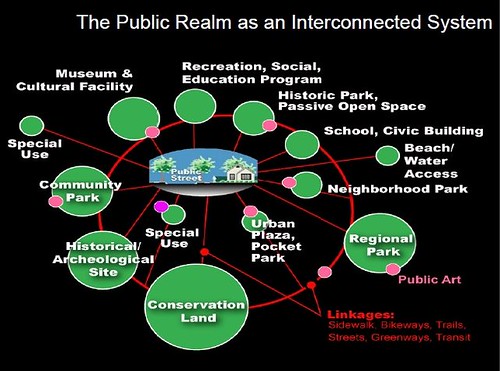
- Use the concept of an "integrated public realm" as an organizing framework for the action agenda of this committee.

- DC doesn't have a Parks and Recreation Master Plan, make this an issue, get it done.

- DC doesn't really have a publicly vetted Libraries Master Plan, make this an issue, get it done.

- The Arts and Culture element of the Comprehensive Plan is reasonably pathetic, do an Arts and Culture Master Plan of real weight (see above about the tourism tax revenue stream).

- Create a combined central library, city archives, and visitor center.

Resources

-- See the blog entry "Step up and vision an interconnected public realm.
-- Cultural Planning Toolkit
-- read local parks and recreation master plans such as Arlington and Montgomery Counties, and even Baltimore County.
-- See the blog entry "Cultural resources planning in DC: In the land of the blind, the one-eyed man is king"
-- Leadership and the Role of Parks and Recreation in the New Economy
-- blog entry, "Central Library Planning efforts and the City Museum, how about some learning from Augusta, Maine ... and Baltimore?"
-- Creative City Network of Canada

Harry Thomas, Jr. (Ward 5) - Economic Development

- some day I will write a journal article on the difference between "building a local economy" and "economic development." There is a difference. Building a local economy focuses on developing and retaining not just businesses, but profits and investment capital locally. It's about the multiplier effect from purchasing. Businesses located here but owned elsewhere end up exporting profits elsewhere. And businesses not located here can easily be moved.

- so a local economic development agenda needs to be created for the development of a more balanced economy, one that is not hyper dependent on the federal government. E.g, I was impressed but terrified that the new business improvement district in Ballston ("Arlington OK's Ballston BID" from the Washington Business Journal) is going to focus in part on developing Ballston as "a hub for science and technology" because other than promoting real estate development, retail, and maybe transportation demand management, DC business improvement districts don't really take on economic development in this fashion...

- that means focusing too on the economic development capabilities of DC-based universities -- many firms get started at local universities, but they end up locating in the suburbs.

- and developing a truly robust creative economy plan (we actually have one that is pretty good, surprisingly, now the challenge is execution, and that includes the DC City Council) and focusing on the knowledge economy outside of the law firms, lobbing companies, and trade associations that are focused on the federal government.

- Supporting commercial district revitalization and retail entrepreneurship in significant ways. Make DC a leader in this area, instead of "me too" or unconcerned when it comes to substance.

- Reduce the regulatory burden on small businesses.

- Develop a Tourism Management and Development Plan, which later should become a separate element of the DC Comp Plan.

- Selectively, consider creating new public markets in places like Mount Pleasant and Anacostia, and perhaps in other places, could be thought of as economic development as well as health promotion initiatives

Resources

-- Economic Development Element, DC Comprehensive Plan
-- Community Economic Development Handbook
-- "Premier-ranked Tourist Destinations: Development of a Framework for Analysis and its Self-guided Workbook"
-- Montreal's Board of Trade released a report on the role of transit in their region, Public transit: a powerful economic-development engine for the metropolitan Montreal region
-- books by Richard Florida and Charles Landry
-- Creative City Network of Canada
-- The Economy of Cities and Cities and the Wealth of Nations by Jane Jacobs

Tommy Wells (Ward 6) - Public Works and Transportation

- first, extend Councilmember Wells' efforts as Ward 6 Councilmember focused on placemaking and quality of life improvements in Ward 6 to the development of a citywide placemaking and quality of life improvement effort. (Note that DDOT's streetscape planning and construction efforts under Dan Tangherlini around 2000 are the foundation and first building block of this effort.)

- DC doesn't really have a Master Transportation Plan comparable to that of neighboring jurisdictions. Sure the "state" of DC has to produce a long range state transportation plan and give it to the US DOT, but compared to Arlington County, we don't have a thorough and deep transportation plan. Instead, the Councilmembers legislate all kinds of "stuff" ranging from parking districts, to committees to oversee the streetcars, to how much parking meters should cost downtown in order to fund human services. That should stop.

- DC should have a Master Transportation Plan. City Council should get DDOT to do it. Make transportation demand management planning required!!!!!!!!!!!!!!!!!!! And set metrics and level of service standards to limit the creation of politically-inspired bus services, etc.

- San Francisco has enshrined in their city charter, a "Transit First" mobility and land use policy. DC needs one.

- Comparable to the Zoning Commission, DC should create a Transportation Commission, to address transportation issues of all sorts, in the context of land use, economic development, and mobility decisions. Arlington has one, so does Alexandria and Rockville (and Tempe, Arizona). While the Office of Zoning has increased their consideration of transportation issues, it's not enough. To make evident how important transportation is to DC's quality of life and economic competitiveness, let's create a transportation commission.

- Perhaps DC should reconceptualize the streetcar network that is being developed within the city somewhat independently of the Metro system, comparable to how the MUNI system in San Francisco is separate from but integrated with the BART regional subway system. I am not sure about this, but CM Wells' committee could study the issue.

- Ideally, the metropolitan area's separate railroad passenger commuter systems should be integrated into one regional railroad passenger service with 18/7/365 service. DC, not being either VA or MD, could help bring the two states together and join in.

- Instead of parking performance districts willy nilly, create the framework of "transportation management disticts" and plan and implement accordingly.

- Explore and build the support for a transit withholding tax on people working in DC. 70% of the people in DC don't live in the city. We need more money to pay for the necessary transportation infrastructure to support their entry into and exit out of the city, as well as local needs. This is an issue because typically the federal government is exempt from such programs. However, it has recently been held that federal agencies will now pay for stormwater system charges, maybe this is the breakthrough we need.

- create neighborhood/multi-neighborhood/Ward sustainable transportation elements focused on infrastructure and programming efforts concerning walking, biking, and transit.

- with regard to public works, add initiatives on citywide composting (Toronto cut its trash in half by separating and composting organic materials), and as a waste reduction and business development initiative, harvesting of downed trees for lumber and firewood. Develop waste reduction initiatives with regard to dumped materials at the trash transfer stations.

Resources

-- Arlington County Master Transportation Plan
-- Seattle Bridging the Gap transportation and streetscape funding initiative
-- Seattle Urban Mobility Plan
-- Oregon Payroll Transit Tax
-- San Francisco Sustainable Mobility Agenda presentation
-- San Francisco Transit-First Policy
-- blog entry, "Regional transportation planning and fixed rail service"
-- Leadership and the Role of Parks and Recreation in the New Economy
-- "Goodbye, foreign landfill" from the Toronto Star

Yvette Alexander (Ward 7) - Public Services and Consumer Affairs

- Create a civic engagement element for the DC Comprehensive Plan that also functions as a citizens bill of rights with regard to government openness and transparency, including open meetings act provisions. One thing such an element should forbid is scheduling meetings in places with extremely limited transit service, which is a tactic specifically designed to limit public participation.

- Continue to improve the Department of Consumer and Regulatory Affairs.

- Develop a specific agenda to reduce the regulatory burden on small businesses either seeking to open or already in business in DC.

Resources

-- "Lattes at the Regulatory Cafe," an article from the Claremont Institute which explains how difficult it can be for independent entrepreneurs to open businesses
-- Seattle Customer Bill of Rights
-- Deepening Democracy: Institutional Innovations in Empowered Participatory Governance"
-- International Association for Public Participation
-- International Association for Public Participation Spectrum of Public Participation

Marion Barry (Ward 8) - Aging and Community Affairs

- See the stuff in the previous entry about a civic engagement element.

- Senior centers shouldn't be standalone facilities, they should be integrated into recreation centers and other facilities. For example, Baltimore County has a combined library and senior center in Pikesville. Senior centers are closed at night, when if part of an expanded facility, the facilities could be used by others.

- Create and implement the schools/community centers concept.

Resources

-- Alianza's Beacon School concept
-- Price Charities City Heights Initiative, San Diego
-- Schools as centers of communities planning guide

David Catania (At-Large) - Health

- adopt the public health model approach to guide health care planning and decisionmaking in DC. You see, the problem with health care and the insurance model is that health insurance was created not to promote health, but to regularize the income of hospitals during the Depression. Building a system focused on health and wellness requires a different model.

- for a long time, I have argued for the (re)creation of community public health clinics/centers to deliver a lot of the basics of health care, and oversee the management of chronic disease, comparable to how clinics at pharmacies and supermarkets do it, but also to deliver health and wellness programming. I thought it was a great innovative idea, until I learned that Christopher Alexander called for the same thing in his book Pattern Language (1979). No city or county really does this. It's the kind of thing that should have been in the Health Care reform initiative and wasn't. If DC really did something like this, it would truly be a world class initiative.

- getting behavior choice related diseases under control (obesity, high blood pressure, diabetes, heart disease, alcoholism and drug related problems) would save the city tons of money.

- consider working with Prince George's County on more regional approaches to dealing with the provision of hospital based care, given that the Prince George's County Hospital system, the United Health Care Center in DC, and Howard University Hospital all have financial issues.

Resources

-- the blog entry "Rethinking health care service delivery in significant ways is not likely to happen in health care 'reform'" has links to most of my entries on this topic
-- American Public Health Association
-- Center for Science in the Public Interest
-- Centers for Disease Control and Prevention
-- blog entry, "Speaking of hospitals and regional equity"

Phil Mendelson (At-Large) - Public Safety and the Judiciary

- really develop community (problem oriented) policing. While murder rates are dropping, there are still problems with other types of crime. See "District, Prince George's report continuing decline in number of homicides" from the Washington Post.

- consider separating the fire department from the paramedical services. Clearly it hasn't been working in DC for about 25 years plus, as there have been various efforts to do this over the years. Partly, firefighters don't want to separate the units, because there aren't that many fires, and in order to keep people employed, by being first responders on health related calls, service call numbers remain high.

Michael A. Brown (At-Large) - Housing and Workforce Development

- DC needs a citywide discussion about what "gentrification" means, and how to address displacement.

- Relatedly, we need a housing policy and plan that deals with both owner occupied and rental housing. I don't like to use the word gentrification, but there is no question that as housing prices increase, people get displaced. Addressing this requires a variety of tools, including property tax assessment methods, community land trusts, cooperatives, portfolio investment, etc. As long as housing is addressed almost solely in terms of "the market" people of lesser means will be priced out.

- Similarly, with regard to workforce development, we need a great Department of Employment Services, integrated with the K-12 and college education system. We have to figure out why such a large swath of the city's population is unemployable and deal with it.

- merge the summer youth employment program into a year round effort including a form of cooperative education at the high school level

Resources

-- Blog entry, "More about contested spaces and gentrification
-- National Community Land Trust Network
-- Gentrification and Resistance in New York City" from Shelterforce Magazine
-- The concept of supergentrification/Loretta Lees
-- "Cooperative Education: Characteristics and Effectiveness"
-- Cooperative Education in High School: Promise and Neglect

Kwame Brown, City Council Chairman - Committee of the Whole + Education

- ideally, the capacity of City Council committees to do high quality research and policy development should be enhanced

- with regard to education, while Mayor Fenty's recognition that the problems with the schools needed to be addressed, his "bomb the schools" approach via Michelle Rhee was a huge mistake. First, it didn't really address the fundamental issues, instead blaming teachers. Second, it should have used a "positive deviance approach" and recognized the high performing clusters already existing within the school system, e.g., at the elementary school level, language programs like Oyster, the Capitol Hill Cluster Schools, and Montessori programs, and extended and expanded these programs. Third, a significant professional development program for schools, teachers, principals, and families needs to be created, not a bullshit thing like what has been done.

Similarly, with the charter school movement and the voucher bullshit, community social and organizational capacity is dissipated and deconcentrated, breeding chaos and reducing the energy and ability and capability for truly improving the system.

It doesn't matter that people feel better about it, it's basically a flawed effort. Even if billionaires want to throw money at Michelle Rhee, that doesn't mean that they know what they are doing.

- consider year round schooling

Ideally, the City Council could help to build a new community consensus on how to approach school improvement.

- with regard to the Committee of the Whole, which acts de facto as the City Planning Commission, create a Parks and Planning Commission comparable to Planning Commissions in other jurisdictions. Along with the idea to create a Transportation Commission (above), DC could have a tripartite set of commissions: planning; zoning; and transportation. This commission would have oversight for the planning and parks departments, and approval and monitoring authority for all DC government agency planning efforts, including planning, transportation, and parks and recreation. With the Office of Planning and the Chief Financial Officer, create and implement a 6 year capital improvements planning process.

(Note my joke, not appreciated by past directors of the Office of Planning, that DC doesn't have an office of planning, but an office of land use. Let's create and follow a real planning system with robust processes.)

- DC doesn't create neighborhood plans. There is a mistaken belief that Small Area Plans are neighborhood plans, but really they are plans to manage development opportunities present in high value locations. Community/neighborhood plans are comprehensive plans for neighborhoods, looking at all elements, from schools, libraries, and parks, to the quality of commercial districts, housing stock, and transportation. As part of the process of creating a Parks and Planning Commission, the framework of planning for the Office of Planning should be changed to include the development and maintenance of neighborhood/sector plans. (Sector planning efforts in places like Montgomery County, Maryland are one piece of this. We don't do that either, as we have Area Elements in the Comprehensive Plan, but the elements are not detailed.)

Resources

-- "Bucking School Reform, a Leader Gets Results" New York Times (this school superintendent in New York City was not supported by the Bloomberg reform narrative, but schools under her supervision for the most part outperformed the rest)
-- "From Hunger Aid to School Reform"
-- "Your Company's Secret Change Agents," article from Harvard Business Review on positive deviance
-- Marion Orr, Black Social Capital. The Politics of School Reform in Baltimore, 1986-1998
-- Clarence Stone, "Civic Capacity and Urban Education"
-- Building Civic Capacity: The Politics of Reforming Urban Schools
-- Roy Strickland "Integrating Primary and Secondary Education with Community Life: Designing Cities of Learning
-- "Year Round Schooling," review, Education Week
-- National Association for Year Round Schooling
-- Baltimore County Capital Improvement Planning process

---------
I've tried to make this pretty comprehensive. Frankly, I had intended to write an entry in the fall during the election campaign, about what I thought should be the agenda in the Mayoral campaign. I'm sure I've missed some things. Happy New Year DC City Council and Mayor Gray!


Public Realm as an Interconnected system, Slide from presentation, Leadership and the Role of Parks and Recreation in the New Economy, David Barth
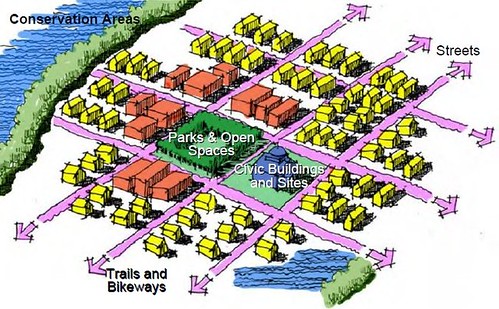
This slide: Public Realm as an Interconnected system, Bottom slide: Civic assets/public realm. Slides from presentation, Leadership and the Role of Parks and Recreation in the New Economy, David Barth.

Civic assets/public realm, Slide from presentation, Leadership and the Role of Parks and Recreation in the New Economy, David Barth

Labels: , , , , , ,

Tuesday, August 25, 2009

Montreal, bicycling and the world class city

Charles Landry makes a point in his presentations and his latest book, The Art of City Making, that to be world class isn't only what the city does for itself, but how the city in turn contributes to the world.

Montreal's Bixi bicycling sharing system is a fascinating example of this, showing that the public sector can be transformative and innovative in ways that challenge convention. Also see the articles "Public sector innovation" from the Ottawa Citizen. and "Montreal Exports Its Bike-Sharing Program" from the New York Times.
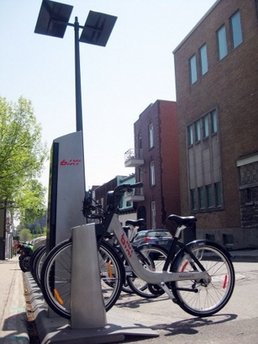
Bixi bicycle sharing in Montreal
Montreal launched 3,000 bicycles called " Bixi", available from May to November with the help of a subscription rate of 78 dollars a year, $28 for one month or $5 for the day. A combination of bicycle and taxi, the BIXI program offers 3,000 bikes for Montrealers to ride around the downtown core, from as far west as the Atwater metro station to as far east as the Prefontaine station. (AFP/Clement Sabourin)

For example, one of the biggest problems with the "traditional" bicycle sharing systems and their stations is that they require electricity. This is a problem not only in dealing with recalcitrant local utility companies (at least Pepco in DC is problematic, maybe this isn't the case in cities like Paris), but in finding locations where electricity connections can be made, and then in having to construct and make the connections. All in all this adds time and significant cost to the process.

The city's parking authority, Stationnement de Montréal, decided to create their own system rather than have to pay others for one. Typically bicycle sharing systems are developed through a kind of "ransom" as a city sells the privilege of placing advertising in public spaces in return for various benefits from the contractor, including outfitting a bicycle sharing system.

This creates a negative dynamic between the operator and the municipality, because the municipality wants to expand the system, while the operator wants to minimize costs to maximize profitability.

BIXI, the project of the parking authority in Montreal, has just won the contracts to provide bicycle sharing systems to Boston (see "Vendor selected for Boston area bike-sharing program " from the Boston Globe) and London (see "Serco wins race to run London hire bikes" from the Times of London).

Impressive.

Labels: , , , , ,

Tuesday, September 30, 2008

Cities and creativity

Last weekend's Financial Times is full of snippets of wisdom, as well as Tyler Brule's regular column, which focused on whether or not London can remain a capital of creativity, especially in the face of the meltdown of a number of financial companies. See "Capital gains and urban misses."

His column contrasts the beliefs of former mayor Ken Livingstone and former mayor of Bogota, Enrique Peñalosa.

From the article:

At a series of Financial Times talks at the London Design Festival and at a mini-summit for my magazine Monocle, I asked leaders and urban strategists about the role London has to play as not only a financial capital but also as a centre for creativity. ...

The key headlines from Livingstone were that London was well positioned to keep its current position as a centre for finance and innovation but it was going to have to fight hard. This was hardly news.

When I asked him whether the city should be doing more to encourage a more rounded creative community (for example, not just having design studios and headquarters for advertising agencies but also ateliers and light industry to support this sector), I was informed that these days were gone and that he didn’t really see these types of businesses having a place in London. Some in the audience nodded in agreement while others screwed up their noses and made gestures that suggested they disagreed.

I left the venue feeling somewhat deflated by Livingstone’s comments and then was overtaken by a mood that was a mix of irritation and depression. ... At a session on Tuesday devoted to the future of cities and London in particular, I chatted to Peñalosa, the urban planner Alejandro Gutierrez of Arup, and the author Alain de Botton.

Their views were a bit more rosy than Livingstone’s, with Peñalosa a strong believer in cities as a place where things happen and are made, across a broad spectrum of fields and areas of specialisation. De Botton supported this view by stating that the process of design and construction were linked and were essential elements for a vibrant city. ...

Come question time, however, the audience was more interested in Peñalosa’s damning views on malls and what the soon to open Westfield Centre in London’s Shepherd’s Bush meant for the city. On record for suggesting that malls are a strong indication that a city is sick, Peñalosa didn’t back down from his previous comments and at one moment challenged both me and the audience members as to why such a project had been allowed to go ahead. “You mean we’re talking about a big, boring, flat-roofed mall? The kind you’d find almost anywhere? Here in London?” ...

In short, London doesn’t need any more malls but should focus on the strengths of its public places, bring creativity and craft back to the heart of the city, create even more bike lanes and places to walk. It should also pay attention to the romance and optimism offered by outstanding terminals – be they rail, marine or aviation focused.

Labels: , ,

Saturday, March 29, 2008

Building the world class city is more than making statements

Boston is mulling over making the commitment to becoming a "world class" city for bicycling. They take heart in the fact that in the 1970s, Copenhagen was not the kind of bicycling city that it is today, but much like other places.

The Boston Globe has an article about this, "World-class bike cities? Why not Boston?," keyed on the fact that Boston has hired a person to coordinate bicycling programs for the city.

To track this, the Globe has introduced "Shifting Gears," described as:

a regular column that will follow Greater Boston's path toward this goal. We'll keep our eye on policy and progress, and also take some detours along the way to explore the daily joys and hassles of pedaling around this city.

One of the reasons I like measures like the Prevention Magazine list of best walking cities, although granted the criteria are not likely to be perfect (i.e., in another survey, Baltimore was ranked more highly than DC in terms of being livable without having a car), they are independent. If you make that list, it's not merely a matter of puffery.

Labels: , , ,

Wednesday, February 13, 2008

Saving energy saves money, and is about economic competitiveness

DC1974 sends us a temporary link to the Wall Street Journal article "Nine Cities, Nine Ideas," which discusses 9 cities and their world class efforts to use energy much more efficiently:

1. Chicago -- rooftop gardens on municipal buildings to reduce energy use
2. Ann Arbor -- converting streetlights to LEDs to reduce energy use
3. Palm Desert -- community-wide energy conservation projects and program
4. Amsterdam -- using lake water to power air conditioning
5. Beijing -- replacing old (really old) equipment with energy efficient technology
6. London -- (re)creating a local power grid
7. Aspen -- energy conservation and greenhouse gas emission reduction
8. New York City -- energy from the sea
9. Thane, India -- solar energy.

Again, examples of world class cities doing great things, and serving as examples to others -- giving to, not just taking from, the world.

Labels: , , ,

Tuesday, February 05, 2008

Getting a better handle on the embrace of mediocrity

Yesterday, I was reading the introduction to American Architectural History: A Contemporary Reader edited by Keith Eggener. The introduction is a fabulous overview of the development of architectural history and criticism in the United States.

Among the work he discusses is that of Wanda Corn, author of The Great American Thing. She makes the point that a focus on uniqueness and exclusivity allows one to discuss and revere without having to measure up to the innovation and originality of peers. It's very much a self-referent situation where a provincial and marginal body of work becomes complex and intellectually exciting.

I think this explains what I call the "tyranny of neighborhood parochialism" to a t. But it also explains the very much self-referential (a/k/a "navel gazing") focus within the city and its various demographics.

DC isn't a city that demands to be great. It's a city that defines greatness as what it is already (or not) achieving. It's a form of the "defining deviance down" argument laid out by Daniel Patrick Moynihan. Instead, we define world class or greatness down to our level, rather than reaching up and striving to achieve. (cf. The Future Once Happened Here and from the Washington Post, "Chicago: The World's Kind of Town?: Leaders Promote Projects to Help the City Compete in Global Market.")

From the Post article:

Demographer and urban consultant Rob Paral said that regardless of the city's current status, Chicago's leaders are smart in refusing to rest on their laurels.

"The global cities are all trying to keep their global-city status and enhance it at the same time," said Paral, a research fellow at the Institute for Latino Studies at the University of Notre Dame. "Globalization is a race to stay in the top tier -- it's very different than it used to be. Chicago in the 19th century was just exploding all by itself, almost like magic. Now, if you want to continue on that path, it takes cooperation and planning."Great American Thing by Wanda Corn

Labels: , , ,

Thursday, January 31, 2008

Harvard Business Review/Learning from Mistakes


Harvard Business Review
Originally uploaded by ecentor

In an earlier blog entry on Arlington, rg comments thusly:

Excellent post. In terms of Arlington's mistakes, what I also like about Arlington is that they learn form their mistakes. Yes, Rosslyn sucks, but Arlington did not go and build more Rosslyns. In contrast, it seems like DC repeats many mistakes over and over and never learns. Mind you, my thinking on this is just anecdotal, but it's an interesting contrast.

I have been meaning to mention that the February issue of Harvard Business Review has four excellent articles:

• a case study on a hotel company creating an overarching branding strategy (my sum up, do it when the brand has value, but not when it doesn't, i.e., does "Westfield Shoppingtown" really have any meaning, isn't it just another mall?);

• "The New Leader's Guide to Diagnosing the Business" (I am working on creating similar templates for commercial districts);

• "The Founder's Dilemma" about start up organizations and the dilemma between control and success (running the show or bringing in other people with the necessary skills to grow the organization) -- this is a big issue in nonprofit organizations, and was outlined in the stages of organizational growh and developing organizational subsystems chapters in the class Social Psychology of Organization a long out of print textbook that is supposed to be revised and reprinted; AND

• "The Experience Trap" which states "as projects get more complicated, managers stop learning from their experience. It is important to understand how that happens and how to change it." (Similarly, also see the work by Chris Agyris about organizational change.)

I was really struck by the last article, that people just accept that there are going to be "problems" without really trying to figure out why problems arise, if they are a result of a faulty process or system, not just something that happens. And to change the process.

[This is what gets me in trouble in my work. People aren't comfortable challenging processes. And they think when you challenge processes that you are challenging people.]

I am not technically trained, but the process of six sigma defect reduction seems to be relevant to organizational processes whether or not you are engaged in manufacturing. The work of of Juran and/or Deming is equally applicable.

Labels: ,

Tuesday, January 29, 2008

Quote of the day

(I spent much of today in Arlington at the launch of their Car Free Diet program, and then stopping at various points between Rosslyn and Brookland taking photos or talking to people such as at Rosslyn Renaissance/Rosslyn BID. Because I am going to a farmers conference tomorrow--in relation to foodways and farmers markets and recruiting farmers--in Pennsylvania, I am not likely to blog for a couple days. I have a lot to blog about in terms of my experiences in Arlington, but I don't know when I'll get around to having that much time to write...)

"Unless you tackle the whole of the problem, rather than part of the problem, ultimately you're not going to get anywhere."
-- Ewan Hunter, Hunter Foundation (he is not related to the namesake of the organization) from the Chronicle of Philanthropy, 1/10/2008

This quote is relevant to Arlington. I mentioned before Charles Landry's point that world class cities don't just take from the world, they give back too. I mentioned Paris' Velib bikesharing program as an example of this. Paris wasn't the first city to do bike sharing, but the scale of their launch and the publicity it garnered has accelerated take up of the idea in many other places in the world. That's an example of giving back as part of being world class, what maybe could be called "generativity" based on Erikson's Life Cycle Theory.

In the DC region, Arlington might be the only true world class municipal jurisdiction. They don't just beat on their chest and say they're great, like DC does. They have vision, they have values, they execute programs in high quality best practice fashion (more about that later) in concert with their values and they get results.

Now, DC actually has more walkers, bicyclists, and transit users than does Arlington. I'm not saying that Arlington just gets better press. DC has a better urban design that is more conducive to mode shift. My joke though is just think if DC marketed mode shift and incorporated transportation demand management into planning, how much better we could do.

Arlington isn't perfect. Super-sized buildings along Wilson Blvd. and in Rosslyn make the quality of the pedestrian experience somewhat hit or miss. Urban design on the first and second floors still needs some work.

But the way Arlington executes programs for transit, walking, biking, fitness, and the environment are best in class. They are comprehensive, deep, and outcomes-oriented, and capable of being evaluated.

The thing today featured talks by the Arlington County Board Chair, Walter Tejada, as well as County Councilmember Jay Fisette, and the County Manager, Ron Carlee, stopped by for awhile too (he didn't speak). Maybe it just rang true to me because I don't hear these particular elected officials speak that often (I have heard CM Fisette before, we shared a dais at a presentation once), but I was impressed with the content--I repeat--the content. Too often we don't have elected officials in the city with that level not just of knowledge, but concern from the heart, and values, not just political calculations. (And speaking of great Arlington County elected officials, I didn't even see Chris Zimmerman, who is probably the best elected official in the region when it comes to transportation and mobility issues.)

Labels: , , , , ,

Monday, December 17, 2007

Transformation needs leadership, commitment, and focus

Newspapers tend to be important local forces. So newspapers are card carrying members of the growth machine. As Logan and Molotch state, newspapers are place-based institutions, and their success is fully dependent on the strength of the local economy. Because of this dependence, when things get really bad, newspapers can be motivated to step out of their comfortability and advocate for transformation.

In the past I've written about how the Philadelphia Daily News was doing this, as well as the Camden Courier Post (Camden 2015). Plus the Youngstown Vindicator was an early supporter of the Youngstown 2010 effort. Oh, and the Cleveland Plain Dealer had a massive series about the economic health of the region. Sadly the PDN initiative ("Rethinking Philadelphia") appears to be have dropped.

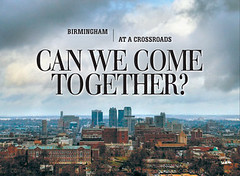
I bring this up because the Birmingham News in Alabama has an amazing series about the future of Birmingham, given the decline of their traditional industries (steel), called Birmingham at the Crossroads.

From the website:

Over the past year, The Birmingham News has explored critical challenges that face metropolitan Birmingham-Hoover -- race and trust, fragmented government, inner-city crime, blight in our industrial core, uneven economic growth, disparities between urban and suburban classrooms. People across the area agree: On each of those fronts, leadership is key to progress. Can someone or some group craft a vision that leads our communities forward?
Birmingham Alabama at a crossroads

I find this important, because it's not just about leadership, but how leadership works not only to craft a vision, but to engage the broader community in the process of creating and realizing the vision.

Gary Imhoff at themail has been writing about local democracy being democratic through the election cycle, and then autocratic afterwards.

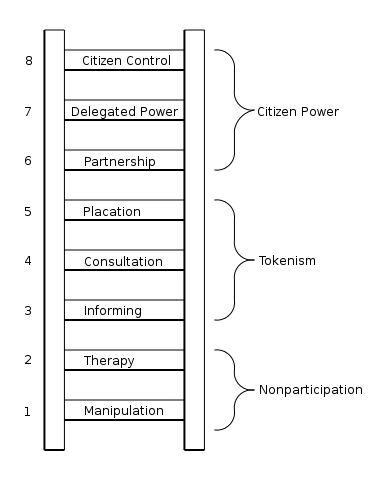
I have commented for a few years now that civic engagement and participation processes in the city don't have much depth. Too often, it's about consulting or "listening," but not about fundamental involvement.
A Ladder of Citizen Participation, Sherry Arnstein
Originally published in Arnstein, Sherry R. "A Ladder of Citizen Participation," JAIP, Vol. 35, No. 4, July 1969, pp. 216-224.

Without true involvement and engagement on equal terms, you can't effect change and transformation. And there is no question that transformation is necessary in order for center cities to continue to move forward, especially in Washington.

Labels: , , ,

Friday, November 23, 2007

Cities that strive for greatness

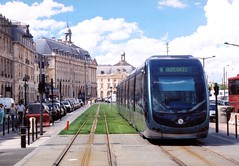
(Citadis Tram with in-ground power, Bordeaux. Photo: Kenneth Sislak DMJMHarris.)

Another Christopher Hume piece from the Toronto Star, "A tale of two cities that work," is worth a read. He starts out with this:

It's not problems that make cities unique, but solutions.

From the article:

Meanwhile, Bordeaux, a town that in its mayor's words needed "shock treatment," has built 45 kilometres of tramline in less than a decade. "In the 1990s, our transit system was 30 years out of date," Alain Juppé told delegates. "Bordeaux was sleeping."

The result of the city's 1.3-billion euro ($1.75 billion Cdn) investment is a 20 per cent drop in traffic in Bordeaux, 30 per cent downtown, and a three-fold increase in bicycle use. ...

"Towns are on the front line of all battles in the contemporary world," Juppé said. That's true whether we're talking about housing, education, sustainability, security or integration.

I think about this in terms of DC. Many clamor for statehood. If only our elected officials would strive to act with an equivalent amount of heft.

Also see this other piece by Hume, "Bordeaux's transit ideas worth uncorking here." Maybe we need to be looking to best-in-class cities around the world to set benchmarks. Looking solely within the United States (although there are many good examples) isn't enough.

Labels: ,